
What to Expect: Standard Inspection and De-leading Process
How the Process Works
We make lead compliance simple and transparent. Here is what to expect at every stage.
We begin by testing every surface of your property, both inside and out. For multi-unit buildings, this includes common areas (like hallways) and basements.
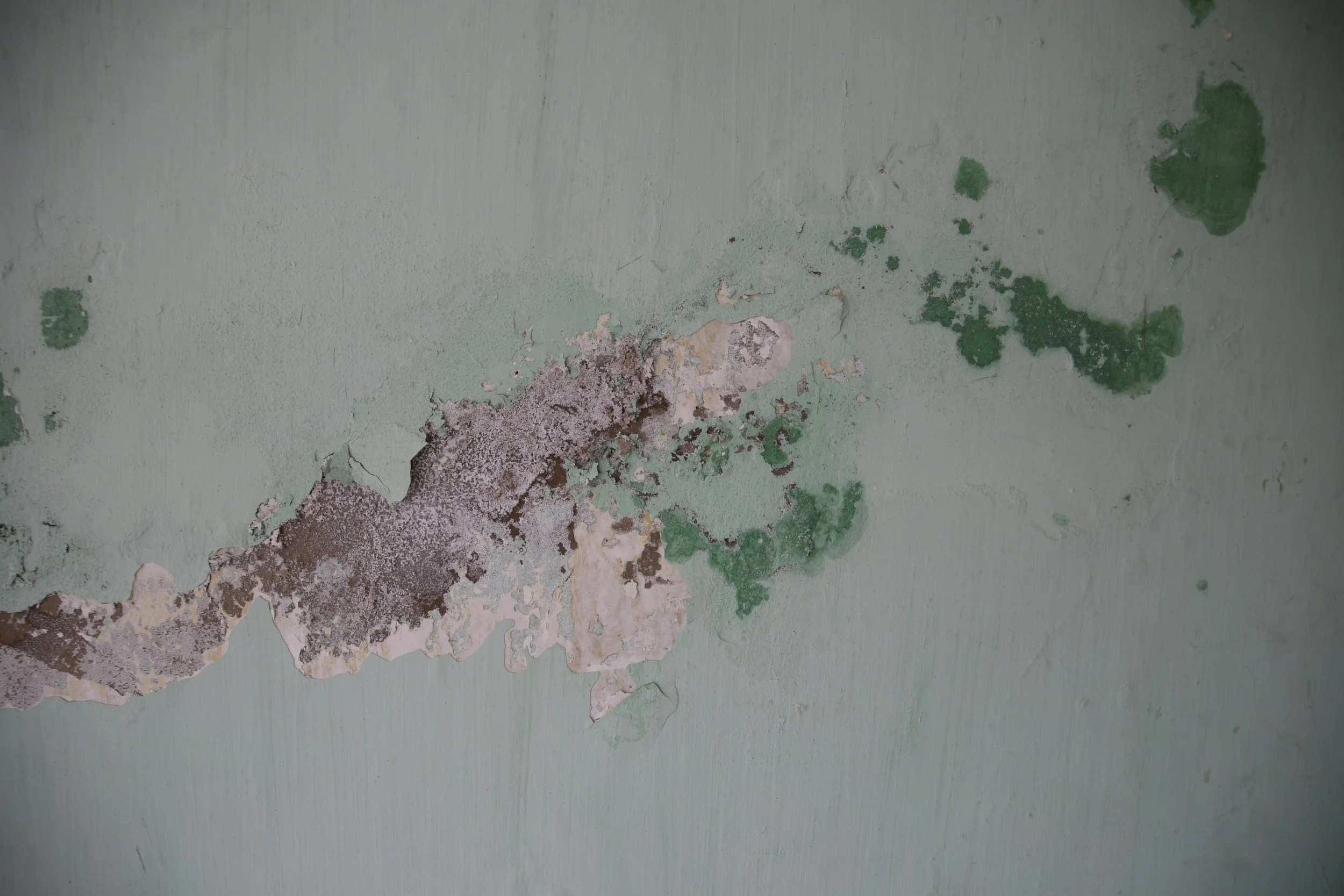
The Report: You will receive a detailed document showing exactly where lead was detected and identifying any specific "lead hazards" (such as peeling paint or friction spots) that must be fixed.
Immediate Compliance: In some cases, we find no hazards at all. If this happens, we issue a Letter of Full Initial Compliance on the spot, and you are finished with the process.
A Note on Expectations: While an immediate pass is the ideal scenario, it is rare. We typically see this in only 1 out of every 10 houses we test.
1. The Initial Inspection
2. Lead Abatement (The Repairs)
If hazards are identified in the report, they must be addressed by a licensed de-leading contractor.
The Method: The contractor will use specific, regulated methods to treat the surfaces depending on where the hazard is located.
The Cleanup: Once the repairs are finished, the contractor performs a comprehensive, specialized cleaning of the property to ensure no debris remains.
Once the abatement is complete, we return for a follow-up inspection to ensure your home is safe.
Visual Check: We verify that all work was done correctly and that all surfaces are intact and clean.
Lab Verification: We take dust wipe samples from various areas and send them to a local lab. This confirms the absence of invisible lead dust, giving you official proof that the property is safe for occupancy.
3. Re-Inspection
(Final Safety Check)